


JoAnne
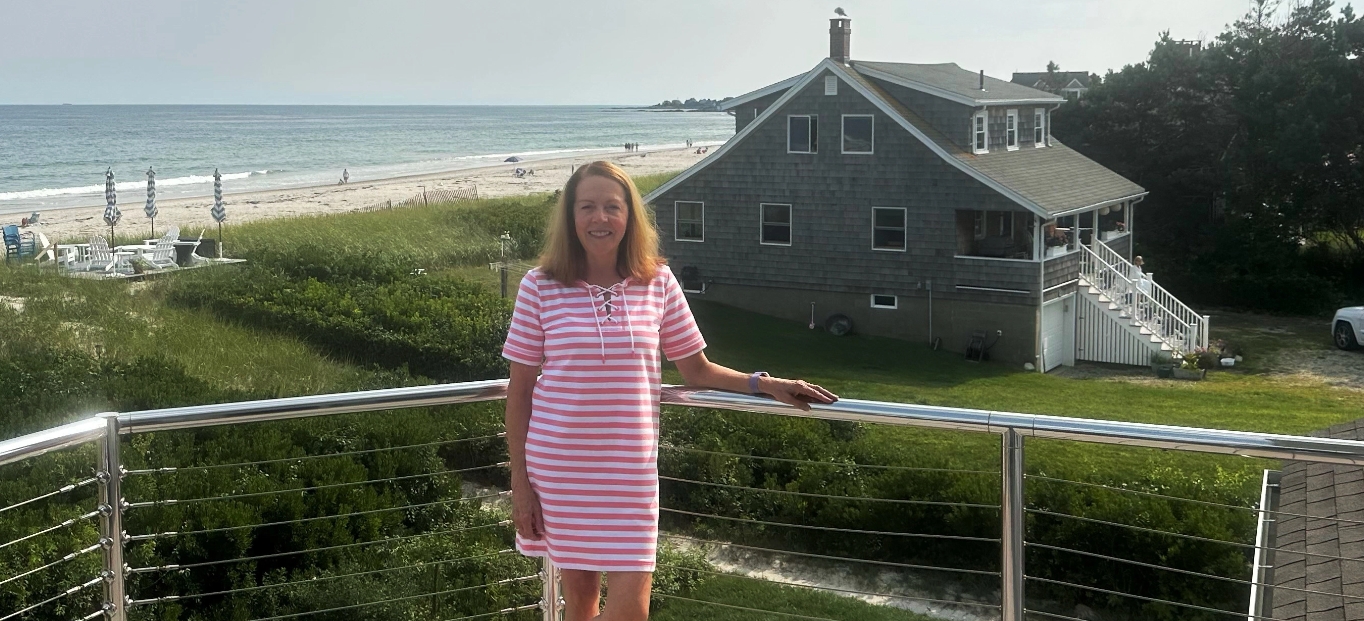
I was diagnosed with obstructive sleep apnea (OSA) in July 2020 at 59 years old. I had been an excellent sleeper as a child and into adulthood, but I did struggle with snoring, waking up earlier than I wanted, and waking up every morning with a sore throat. I didn’t think much about any of that until I had jaw surgery for temporomandibular joint dysfunction in 2018. The surgery was to help prevent further bone erosion in my jaw. The oral surgeon didn’t ask me if I struggled with sleep trouble or snoring before the surgery.
After the surgery, however, I had much more difficulty sleeping. I woke up in the middle of the night at least eight times each night. As a result, I was absolutely exhausted throughout the day and I found myself taking daily naps.
I went to my doctor, who ordered an initial sleep study at home, which came back with positive findings. I did a second sleep study at home, which also came back positive, so my doctor referred me to a neurologist. The neurologist had me do an in-lab overnight study and then formally diagnosed me with moderate OSA (with an AHI of 24) about two years after my jaw surgery. I was happy to have a diagnosis, but both my primary care doctor and the neurologist said I “didn’t fit the typical patient profile for sleep apnea” as a 4’11” woman weighing less than 100 pounds.
I started using a PAP in October 2020. It was uncomfortable, and it didn’t stop me from waking in the middle of the night. That said, I did find myself slightly less exhausted during the day and was able to stop napping, so I know it has been improving my sleep quality.
Overall, I’m glad to have a diagnosis and know that what I was experiencing isn’t normal, but I hope for easier, more comfortable, and more affordable options to treat and manage my sleep apnea in the future.